Views: 0 Author: Site Editor Publish Time: 2025-08-04 Origin: Site
Flavored vape pens have gained huge popularity, offering a more enjoyable alternative to smoking. But how do they work? Unlike traditional smoking, vaping uses a liquid that turns into vapor when heated. In this article, we’ll explain how flavored vape pens operate. You’ll learn about the key components and the science behind the flavorful experience.
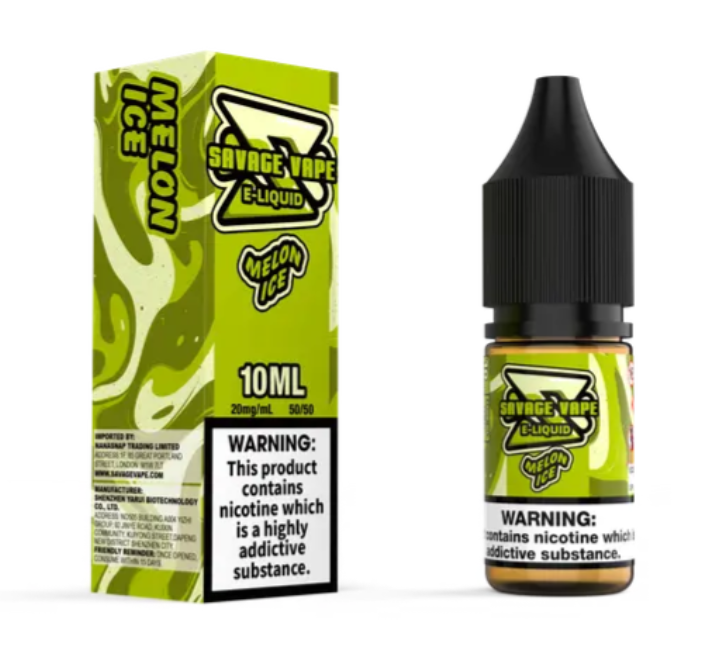
A flavored vape pen is an electronic device that allows users to inhale vapor rather than smoke. It’s designed for those looking to enjoy various flavors without the harmful effects of traditional smoking. These pens use flavored e-liquids, which heat up and turn into vapor when used.
Battery: Powers the device and heats the e-liquid.
Atomizer (Coil): Heats the e-liquid, turning it into vapor.
Cartridge or Tank: Holds the flavored e-liquid or vape juice.
The appeal of flavored vape pens lies in the wide variety of tastes available. From fruity flavors to menthol and dessert-inspired options, there’s a flavor for every preference. These flavors make the vaping experience more enjoyable and can even help people switch from smoking traditional cigarettes.
Vape pens are designed to be simple, yet effective, devices for inhaling vapor instead of smoke. Here's how they work:
Battery: The battery is the power source of the vape pen. When you press the button (on most models), the battery sends energy to the atomizer.
Atomizer (Coil): The atomizer is the part that heats the e-liquid. Inside it, there’s a coil that gets heated by the battery. As the coil heats up, it vaporizes the e-liquid inside the tank or cartridge, turning it into a fine mist.
Cartridge/Tank: This is where the flavored e-liquid is stored. The e-liquid contains nicotine (optional), flavoring agents, and base liquids like vegetable glycerin (VG) and propylene glycol (PG).
Inhalation: Once the e-liquid is vaporized, the user inhales the vapor through the mouthpiece. After inhalation, the vapor is exhaled in a cloud.
The key difference between vaping and smoking lies in the process of vaporization vs. combustion. In smoking, tobacco is burned, creating smoke, tar, and ash. With vaping, the e-liquid is heated but not burned. This means the vapor produced is much cleaner and contains fewer harmful chemicals.
The heating element (the atomizer) is crucial in turning the liquid into vapor. The temperature is carefully controlled to ensure that the e-liquid is vaporized at the right temperature without burning. This allows users to enjoy the flavor and vapor without the harshness or harmful side effects associated with traditional smoking.
E-liquid, also known as vape juice, is the essential component in a vape pen that turns into vapor when heated. It contains several ingredients, such as nicotine, VG (Vegetable Glycerin), PG (Propylene Glycol), and flavoring agents, depending on the user's preferences. These ingredients work together to create a smooth vaping experience.
Nicotine (Optional): Nicotine is added to many e-liquids to mimic the sensation of smoking. Users can choose varying nicotine strengths, or opt for nicotine-free liquids.
Vegetable Glycerin (VG): VG is a thicker substance that helps create large vapor clouds. It also adds a subtle sweetness to the vapor and helps smooth out the throat hit.
Propylene Glycol (PG): PG is thinner and provides a stronger throat hit, which many smokers find satisfying. It helps carry the flavors and contributes to the smoothness of the vapor.
Flavoring Agents: E-liquids are flavored with either natural or artificial compounds. These flavors can range from fruit, mint, and dessert-inspired tastes to tobacco flavors, giving users a wide variety of options.
In a vape pen, e-liquid is absorbed into the atomizer, which houses a coil. When the user activates the device, the coil heats up and vaporizes the e-liquid. The vapor is then inhaled by the user. The process of vaporization turns the liquid into a fine mist without burning it, ensuring a cleaner and smoother experience compared to traditional smoking.
The creation of flavored vape liquids involves using food-grade flavoring agents. These flavorings are carefully mixed into the e-liquid and are designed to be inhaled safely. The heating process in the atomizer releases these flavors, and their intensity is influenced by the temperature and wattage settings of the vape pen. The right balance between flavoring agents, VG, and PG ensures a satisfying taste and smooth vapor production.
Vape pens offer a wide variety of flavors, allowing users to customize their experience. Common flavor categories include:
Fruity Flavors: Strawberry, mango, blueberry, and citrus.
Dessert Flavors: Chocolate, vanilla, custard, and caramel.
Menthol Flavors: Cool and refreshing mint options.
Tobacco Flavors: For users who prefer a more traditional taste or are transitioning from smoking.
Flavoring agents play a significant role in how the vapor tastes. When the e-liquid is heated by the atomizer, the flavor compounds blend with VG and PG. The temperature at which the liquid is vaporized can enhance or dull certain flavor notes. Higher wattages tend to intensify the flavor, while lower settings may produce a softer taste. The type of coil and its resistance can also influence how intensely the flavor is delivered to the user.
Taste perception is subjective, and different users may experience the same flavor differently. Factors such as personal taste preferences, vape pen settings (e.g., wattage and coil type), and even the time of day can affect how flavors are perceived. For instance, a sweeter flavor might seem more intense to one person, while another might find it more muted depending on the vaping conditions.
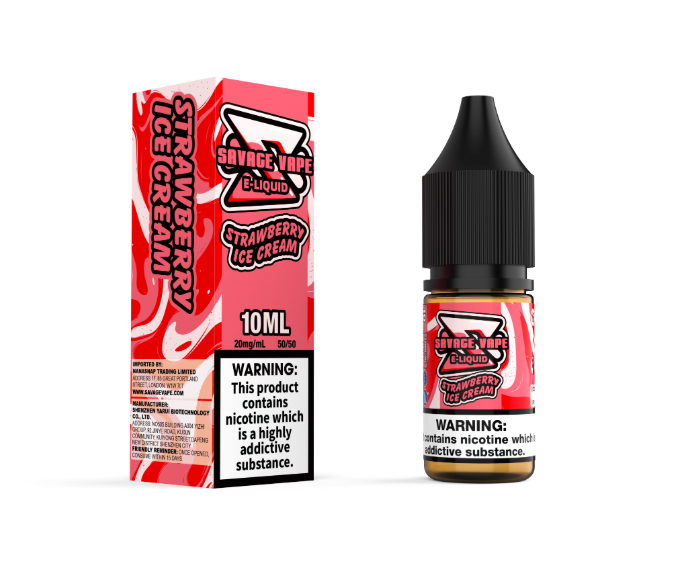
The atomizer is a crucial part of the vape pen. It contains a coil that heats up when the battery is activated. As the coil gets hot, it vaporizes the e-liquid stored in the cartridge or tank. The liquid turns into vapor as the coil reaches the right temperature.
The heating process is simple: the e-liquid absorbs the heat from the coil and changes from a liquid to a vapor. This happens without burning the liquid, ensuring that only vapor, not smoke, is produced. The temperature at which the coil operates plays a big role in the quality of the vapor.
Adjusting the wattage affects how hot the coil gets, which impacts the vapor production and flavor. Higher wattage produces more heat, which can create larger vapor clouds and intensify the flavor. On the other hand, lower wattage gives a cooler vapor with a smoother taste.
The coil’s material and resistance also play a key role. Different materials, like stainless steel or kanthal, have different heating properties. The resistance of the coil determines how much power is needed to reach the right temperature, influencing both vapor production and flavor quality.
Once the e-liquid is vaporized by the coil, the vapor travels through the vapor pathway. From the atomizer, the vapor moves up through the tube and into the mouthpiece. It then enters the user’s mouth and is inhaled into the lungs.
The quality of the vapor depends on the device design and the e-liquid composition. A well-designed vape pen ensures smooth airflow and enhances the flavor experience. The PG/VG ratio in the e-liquid can also affect how thick or smooth the vapor feels when inhaled.
When you inhale vapor, it enters your mouth and lungs, interacting with taste receptors along the way. These receptors detect the flavors in the vapor, sending signals to your brain that create the taste experience. The temperature of the vapor also affects how you perceive the flavor. Warmer vapor tends to bring out more intense flavors, while cooler vapor can feel smoother but less flavorful.
The way vapor interacts with your taste buds is also influenced by the device’s settings. For example, adjusting the wattage can change how the flavor hits your taste receptors, enhancing or mellowing the experience.
Flavored vape pens differ significantly from traditional cigarettes in both composition and health impact. Unlike cigarettes, which burn tobacco, vape pens use vaporization to heat e-liquid. This means there is no combustion involved, so no tar or ash is produced. This can make vaping less harmful in terms of respiratory effects, though it still involves inhaling vapor.
No Combustion: Vape pens use heat to turn e-liquid into vapor, while cigarettes rely on burning tobacco.
No Tar or Ash: Traditional smoking produces harmful tar and ash, whereas vaping produces cleaner vapor without these byproducts.
Are flavored vape pens safer than cigarettes? While vaping may be less harmful than smoking due to the absence of combustion, it is not risk-free. Nicotine is still a major component, and long-term effects of inhaling vapor are still under study.
Nicotine is present in both smoking and vaping, and it’s the main reason both are addictive. Vaping does give users the option to control nicotine intake by choosing different nicotine strengths.
Vape pens are just one type of e-cigarette device, and they can differ from other models in several ways, especially in how they store and deliver e-liquid.
Refillable Vape Pens: These pens allow users to add their own e-liquid, giving them the flexibility to choose flavors and nicotine levels. Refillable pens tend to last longer, making them more cost-effective in the long run.
Disposable Vape Pens: These pens come pre-filled with e-liquid and are designed for one-time use. They are convenient but have limited flavor options and are more costly over time.
Pod-style vape pens are compact devices that use pre-filled pods instead of tanks or cartridges. These pods come in a variety of flavors and nicotine levels, much like flavored vape pens. The key difference is that pod systems are generally smaller and more portable.
Pros of Pod Systems: They are discreet, easy to use, and portable. Many pod systems also offer a similar experience to flavored vape pens in terms of flavor and vapor quality.
Cons of Pod Systems: Some users find that the e-liquid capacity is limited, meaning they need to replace pods more frequently. Also, pod systems are usually more expensive per unit of e-liquid than refillable pens.
Flavored vape pens work by using a battery-powered atomizer to heat flavored e-liquid into vapor. This process involves key elements like the battery, atomizer, and the variety of flavors in the e-liquid. To ensure a safe and enjoyable experience, users should select the right flavored vape pen and e-liquid. Understanding how these devices operate helps enhance the overall vaping experience while keeping it safe and satisfying. If you want to know more about Flavored vape, feel free to contact SAVAGE VAPE anytime with your inquiries. We have years of experience in production and sales of vape pens.
A: Flavored vape pens work similarly to non-flavored ones, but the e-liquid in flavored pens contains added flavoring agents. These flavors don’t affect the core operation of the device but impact the taste of the vapor.
A: Yes, you can create your own flavored vape juice by mixing PG, VG, nicotine, and food-grade flavorings. However, ensure you follow safety guidelines and use proper equipment.
A: Stronger flavors can be the result of higher wattage, coil type, or VG/PG ratios. Higher wattage can intensify flavor, while different coils and e-liquid ratios can affect flavor strength.
A: The ideal temperature for flavorful vaping usually ranges from 390°F to 460°F (199°C to 238°C), which allows for optimal vaporization without burning the e-liquid.
A: Choose a flavor based on personal preference. Consider factors like taste (fruity, menthol, tobacco) and nicotine strength. It’s helpful to start with a mild flavor and adjust as needed.


