Views: 0 Author: Site Editor Publish Time: 2025-12-24 Origin: Site
When exploring the world of smoking and inhalation devices, you’ll frequently encounter shisha (also known as hookah or water pipe) and vapes (electronic cigarettes or e devices). At first glance, they may seem similar: both produce clouds, both come in flavors, and both deliver nicotine (often). But are they the same? In short: no—they differ significantly in mechanics, usage style, health considerations, and social context. Let’s walk through how shisha and vapes compare, so you can decide what suits your lifestyle—and whether your business oriented decisions should reflect that.
Shisha, also known as hookah, is the practice of smoking flavored tobacco, often referred to as "moassel" or "shisha tobacco," through a water-pipe setup. This traditional method of smoking is popular in many cultures around the world, especially in Middle Eastern, South Asian, and Mediterranean regions. It offers a unique smoking experience, both in terms of flavor and the way it’s consumed. Here’s an outline of how a typical shisha setup works:
Tobacco Loading: You begin by placing shisha tobacco (which is typically mixed with molasses, honey, or glycerin) into the bowl at the top of the hookah. The tobacco comes in a wide range of flavors, including fruity, minty, and even spicy, which adds to the enjoyment of the experience.
Heating with Charcoal: Once the tobacco is packed into the bowl, lit charcoal is placed on top of the tobacco, either directly or in a heat-management device that helps regulate the heat. The heat causes the tobacco to vaporize, producing smoke that passes down through the pipe.
Water Filtration and Cooling: The smoke is then drawn through the stem into the glass base, which is filled with water. As the smoke bubbles through the water, it cools and becomes smoother. This water filtration process helps remove some of the harshness found in regular cigarette smoke, providing a cooler, denser, and often richer flavor.
Inhalation and Social Experience: The smoke is then inhaled through the hose or mouthpiece. In many settings, shisha smoking is a social activity, where several people share a hose and relax together, often for an hour or more. The shared aspect of shisha smoking is part of the appeal, with people engaging in conversation while enjoying different flavors.
Combustion: Involves burning charcoal along with flavored tobacco.
Water Filtration: The smoke passes through water, cooling and filtering it.
Social and Stationary Setup: Typically used in group settings, with people sharing the experience.
Long Session Durations: Shisha sessions can last up to an hour or more.
Flavored Tobacco: The tobacco used is always flavored, offering a wide variety of tastes.
A vape (also known as an electronic cigarette or e-device) is a more modern and portable method of inhaling nicotine or flavoring through aerosol, commonly referred to as "vapor." Unlike shisha, which involves the combustion of charcoal and tobacco, a vape works by heating a liquid, known as e-liquid or e-juice, to create vapor. Here’s how a typical vape works:
E-liquid Loading: The user fills the vape device with e-liquid, which is available in many flavors. The e-liquid typically consists of propylene glycol (PG), vegetable glycerin (VG), flavorings, and often nicotine. E-liquids come in a variety of nicotine strengths, allowing users to choose the level that suits their preferences.
Heating the Liquid: The device activates a heating coil when the user either inhales (puff-activated) or presses a button (depending on the device). This heating coil heats the e-liquid, turning it into vapor. Unlike shisha, there is no combustion or burning involved in the process.
Inhalation: The resulting vapor is then inhaled directly into the lungs. The vapor typically has a smoother sensation compared to the harsh smoke produced by shisha or cigarettes, as it doesn’t contain the same level of toxins produced by combustion.
Compact and Portable: One of the key benefits of vaping is that vapes are compact and portable, making them ideal for individual use. Vapes are easy to carry around and require less setup time compared to shisha. Many vapes are designed for quick puffs or repeated use throughout the day.
No Charcoal or Water Filtration: Vaping does not require charcoal or water for cooling. The device directly heats the liquid to produce vapor.
Heating Mechanism: Vapes use a heating element to warm up the e-liquid, unlike traditional combustion methods.
Portable and Individual Use: Vapes are typically small, portable devices meant for personal use.
Wide Variety of Flavors: E-liquids come in an extensive range of flavors, from fruit to dessert-inspired, offering a broad spectrum of tastes.
Nicotine Strength Options: Users can select the nicotine strength of the e-liquid, allowing for greater control over their consumption.
Marketing with Reduced Combustion: Vapes are often marketed as a cleaner alternative to traditional smoking, since they don't involve combustion and produce fewer harmful chemicals.
Feature | Shisha | Vape |
Mechanics | Charcoal + tobacco, smoke filtered through water | Battery + coil, liquid heated into aerosol |
Portability | Generally stationary—large apparatus, hose; set up time required | Highly portable; fits in pocket, quick use |
Typical Session | Longer duration, relaxed pace, often social | Shorter bursts, often individual usage |
Flavors & Variety | Flavored tobacco; more limited than vape liquid flavors | Extensive flavor choices; dozens of e liquid varieties |
Health / Emissions | Smoke from combustion & charcoal; higher levels of CO, heavy metals in many cases | Aerosol of heated liquid; fewer combustion by products, though long term effects still under study |
Social Context | Group gatherings, lounge culture, communal hose sharing | Often individual, mobile, mainstream or personal use |
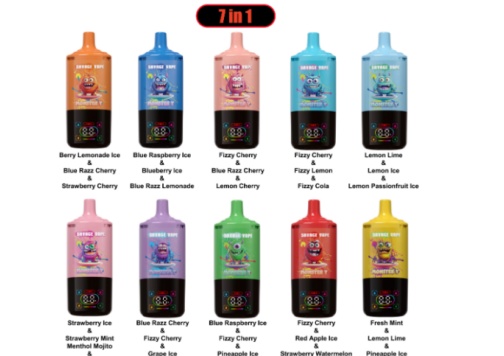
Given the differences, it’s clear that calling them the same would be misleading. They share some overlap (inhalation devices, nicotine delivery, flavored variants), but their mechanics, usage patterns, and experiences differ significantly. For example:
If someone says “I’m using a shisha,” they’re usually referring to the water pipe experience—charcoal, social setting, longer session.
If someone says “I’m vaping,” they mean using a compact device to inhale a vaporized liquid, often alone or quickly.
In practice, you might find “electronic shisha” devices (water base e hookahs) that blur the lines—devices that combine some water filtration with electronic heating. These hybrid devices occupy the grey area between traditional shisha and portable vapes, which can confuse the comparison even further.
If the question is simply “which device is more like the other?” then you might say vapes are more convenient and portable, while shishas provide a more immersive, social experience.
From a user perspective, the differences matter:
If portability, convenience, and variety of flavors are your priority, a vape is likely the right choice.
If you value social experience, the ritual of charcoal, water pipe style, longer sessions with friends—then a shisha is your scene.
If health or emissions are important, you’ll want to research device types deeply—neither is “risk free,” and the risk profiles differ.
From a business viewpoint—such as a retail shop, lounge, or online device supplier—knowing the distinction is vital:
Product assortment, regulatory compliance, flavor inventory, user education all differ between shisha and vape.
Marketing messages must reflect the correct device category—mixing them up can confuse customers or run afoul of regulation.
If you supply both devices, you’ll need clear segments: social lounge equipment (shisha) versus personal device (vape).
At www.savagevape.com, we’ve observed firsthand how customers approach the choice: some want the lounge style heritage of shisha, others want the on‐the go simplicity of vapes. We make it a priority to highlight device mechanics, usage context, and regulatory considerations—so our customers choose not just a product, but the experience that fits them.
We offer a wide range of vaping devices, accessories, e liquids, and when appropriate collaborate with shisha lounge partners. Our emphasis is on supporting informed choice: what device, what usage pattern, what accessories, what regulations. We’re not simply selling a gadget; we’re helping fuel a lifestyle—whether that's a relaxed, shared shisha setup or a sleek, personal vape system.
If you’d like to explore high quality devices, compare shisha versus vape styles, and find the equipment or flavor profiles that match your habits, feel free to contact us at www.savagevape.com. We’re happy to walk you through the differences, explain mechanics, and recommend what fits you best—whether you lean toward the traditional water pipe social experience or the modern vaping convenience.
While shisha and vape devices may seem superficially similar because both involve inhaling flavored aerosols or smoke, the differences are substantial. Understanding those differences—not just for your own usage but also for business decisions—is key. Whether it's the tradition of charcoal and water in shisha, or the precision and portability of vaping, each has its own space—and choosing the right one means aligning mechanics, experience and lifestyle.
We look forward to helping you navigate those options at www.savagevape.com—and to ensuring you find the right device, flavor, and setup that satisfy your preferences and usage style.


