Views: 197 Author: Site Editor Publish Time: 2026-03-30 Origin: Site
When people ask, “Is there diacetyl in e-liquid?”, they are usually asking a bigger question: How safe is the formula behind the flavor? The honest answer is that this is not a yes-or-no issue across the entire market. Some earlier studies did detect diacetyl in flavored e-cigarettes and refill liquids, while current rules in regulated markets such as the UK prohibit it in legal nicotine vapes and e-liquids. At the same time, U.S. regulators still caution that e-cigarettes can contain flavorings such as diacetyl and that authorized products are not the same as “safe” or “FDA approved.” In other words, whether diacetyl is present depends heavily on the product’s formula, the supplier behind it, and the market where it is made or sold.
Some e-liquids have contained diacetyl, but not every e-liquid does, and compliant products in stricter regulatory systems may specifically exclude it. For buyers, distributors, and private-label brands, the real question should not be whether diacetyl ever existed in vape products historically. The better question is whether the supplier can clearly demonstrate what is in the formula now, what standard it follows, and what documentation supports that claim.
Diacetyl is a flavoring chemical used to create buttery, creamy, or rich sensory notes in food-related applications. The major point of concern is not ingestion, but inhalation. The FDA notes that diacetyl and acetoin are considered safe to eat, yet inhaling them can be harmful to the lungs. The CDC also states that flavoring-related lung disease is caused by diacetyl and its substitute, 2,3-pentanedione, especially in occupational exposure settings where workers inhale these substances repeatedly in industrial environments.
That distinction matters. A compound can be acceptable in food and still raise concern in aerosol form. This is one of the most important ideas for anyone evaluating e-liquid ingredients or comparing flavor formulations across suppliers.
The phrase “popcorn lung” came from cases of bronchiolitis obliterans identified among workers exposed to butter-flavoring chemicals in microwave popcorn and flavor manufacturing environments. Health agencies trace that concern to inhalation exposure to diacetyl in workplace settings, not to ordinary food consumption. UK public health sources also note that diacetyl is banned as an ingredient in UK-regulated nicotine vapes and e-liquids, and ASH says there are no confirmed cases of popcorn lung linked to vaping.
That is why the topic continues to appear in vape discussions. The concern did not come from rumor alone; it came from a real inhalation safety issue. But it is equally important not to flatten all products, markets, and manufacturing standards into one category. A regulated, documented e-liquid is not the same thing as an old, poorly labeled, or non-compliant product.
Yes. One of the most frequently cited studies on this issue analyzed 51 flavored e-cigarette products and found that diacetyl was detected in 39 of the 51 flavors tested. The same study found that at least one flavoring chemical among diacetyl, 2,3-pentanedione, and acetoin was detected in 47 of the 51 products. Those findings are a major reason the diacetyl question remains relevant in content marketing, product compliance discussions, and buyer due diligence today.
At the same time, this does not mean every product on the market today contains diacetyl. It means the industry learned that flavor chemistry could not be treated casually, especially when ingredients intended for taste are later heated and inhaled. That lesson pushed both regulators and better manufacturers toward tighter formula screening, more detailed ingredient review, and stronger compliance language.
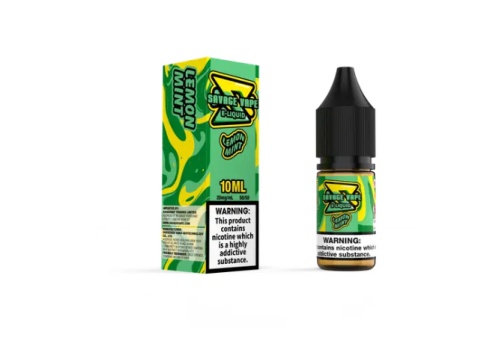
No. And this is where many articles oversimplify the issue.
A more accurate way to think about it is this: the probability changes by product type, market, and supplier discipline. Legal, regulated nicotine e-liquids in the UK are subject to ingredient notification requirements and are not allowed to include substances that pose a risk to human health in heated or unheated form; UK public health guidance specifically states that diacetyl is banned in UK-regulated nicotine vapes and e-liquids. But other markets do not always operate under identical rules, and unverified or illicit products can present a very different risk profile.
Product scenario | Likelihood of diacetyl concern | What a buyer should do |
UK-regulated nicotine e-liquid | Lower, because diacetyl is banned in regulated products | Confirm notification status and supplier documentation |
U.S. flavored e-liquid | Variable, because market conditions and formulations differ | Request ingredient disclosure and testing support |
Unverified imported product | Higher uncertainty | Avoid relying on label claims alone |
Private-label OEM formula | Depends on manufacturer controls | Ask for formulation review, compliance records, and batch consistency evidence |
This comparison is not a guarantee of safety. It is a practical way to understand why the same keyword can lead to very different answers depending on the source of the product.
Consumers often assume the diacetyl issue belongs only to dessert or buttery flavors. There is some logic behind that assumption because diacetyl is associated with buttery and creamy sensory notes. However, earlier research found flavoring chemicals across a wider range of categories, and the 2016 study reported diacetyl not only in sweet styles but also in some “classic” and “menthol” products.
That means flavor name alone is not a reliable safety filter. A custard profile may deserve scrutiny, but so does any formula that relies on complex flavor layering. From a sourcing perspective, that is why serious buyers look beyond the front label and ask how the profile was built, what flavor house inputs were used, and whether inhalation-related review was part of the development process.
This is one of the most important sections for importers and brand owners.
In Great Britain, the Tobacco and Related Products Regulations require ingredient disclosure and toxicological information for nicotine-containing e-liquids and refill containers. The guidance also states that products should not include ingredients that pose a risk to human health in heated or unheated form. NHS guidance is even more direct for consumers: diacetyl is banned as an ingredient in UK-regulated nicotine vapes and e-liquids.
In the United States, the regulatory message is different. The FDA says e-cigarettes can contain flavorings such as diacetyl and acetoin, and it also makes clear that even products authorized for sale are not “safe” and are not “FDA approved.” That creates a more cautious communication environment for brands: compliance, authorization, and reduced uncertainty are not the same as zero risk.
This is why responsible content should avoid absolute claims. Saying “all e-liquid is diacetyl-free” is not accurate across the whole market. Saying “reputable suppliers should be able to explain whether their formulas exclude diacetyl and which regulatory framework they follow” is much more credible.
At SAVAGEVAPE Co., Ltd., we believe this topic should be handled with clarity rather than fear. Buyers deserve more than a vague “safe” claim, and they also deserve better than outdated assumptions based on old market conditions. Our view is simple: the right way to answer diacetyl concerns is through responsible formulation, transparent product information, and market-specific compliance thinking. If you are sourcing e-liquid, comparing OEM partners, or developing a private-label range, it helps to speak with a manufacturer that is willing to discuss ingredients, standards, and documentation in practical terms. Readers who want a clearer understanding of product options, formulation direction, or cooperation details are welcome to learn more from SAVAGEVAPE Co., Ltd. and continue the conversation in a professional, fact-based way.
It can still be a concern in some products depending on the market and the supply chain, but that does not mean it is present in every e-liquid. In the UK, public health guidance states that diacetyl is banned in UK-regulated nicotine vapes and e-liquids, while U.S. regulatory language remains more cautionary and acknowledges that e-cigarettes can contain flavorings such as diacetyl.
No. “Diacetyl-free” only answers one ingredient question. The FDA states that authorized e-cigarette products are not the same as safe products, and UK health bodies also describe vaping as not risk-free even when it is regulated.
Creamy, buttery, custard, caramel, and similar rich profiles often attract more attention, but older testing showed that flavoring chemicals were not limited to dessert-style products and could also appear in some tobacco and menthol products. That is why flavor category alone should never replace proper supplier verification.
Ask for the ingredient list, destination-market compliance basis, available toxicological information, product legitimacy records where applicable, and documentation that supports consistency from batch to batch. In regulated systems such as the UK, manufacturers and importers are expected to provide ingredient and toxicological information as part of product notification.


