Views: 168 Author: Site Editor Publish Time: 2026-04-13 Origin: Site
Vaping has become a mainstream choice for adult consumers across many markets, but one question is now impossible to ignore: Do vapes go to landfill? In most cases, the honest answer is yes—many of them do. Whether it is a disposable device, a used pod, an empty e-liquid container, or a damaged rechargeable vape, a large share of vape-related waste ultimately ends up in general trash streams and then moves to landfill. That is where the issue becomes much bigger than a single product. Vapes are not made from one simple material. They often contain plastic, metal, batteries, wiring, and leftover e-liquid residue, which makes disposal more complicated than many users realize. For consumers, retailers, and manufacturers alike, understanding how vapes are discarded is now part of understanding the real lifecycle of the product itself.
The question matters because landfill is not just a final destination; it is also a sign that valuable materials were not recovered, hazardous components were not separated correctly, and a product designed for convenience may have created a longer-term environmental cost. As a business working in the vaping industry, we believe this is a topic that deserves practical discussion rather than vague messaging. People want clear answers: what parts of a vape can be recycled, what parts create risk, and what should responsible disposal look like? This article breaks down the issue in a straightforward way and explains what happens when vapes are thrown away, why so many still go to landfill, and what the industry can do better.
Once a vape reaches the end of its usable life, several different things can happen to it:
· It may be thrown into household trash
· It may be mixed with general plastic or metal recycling by mistake
· It may be dropped at an electronic waste collection point
· It may be stored in a drawer and forgotten
· It may be returned through a specialist recycling or take-back system
The most common outcome, however, is still disposal with regular waste. That is especially true for disposable vapes, which are designed for short-term use and often treated by consumers like other everyday single-use items. The problem is that a vape is not like a food wrapper or an empty cardboard box. Even after use, it can still contain a lithium battery, internal electronics, and trace amounts of e-liquid.
When these products enter general waste systems, they are much more likely to be buried in landfill or processed incorrectly. That is why the question “Do vapes go to landfill?” is really a question about product design, public awareness, and waste infrastructure all at once.
One of the biggest reasons vapes go to landfill is convenience. Disposable products are marketed around ease of use, portability, and low maintenance. Unfortunately, that same mindset often follows the product to the end of its life. When a device stops working or runs out of e-liquid, many users simply throw it away.
A used vape may look small and harmless, but in many cases it belongs in an electronics or battery recycling stream, not a standard trash bin. Because it does not resemble larger electronics, people may not recognize it as a product requiring special handling.
Even when consumers want to do the right thing, disposal guidance is often inconsistent. Local rules vary, collection points may be limited, and packaging does not always explain disposal in a practical way. Without easy instructions, landfill becomes the default outcome.
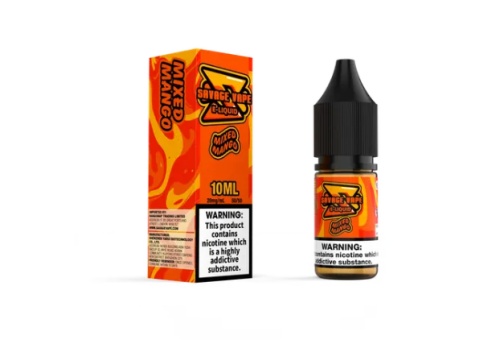
To understand why vape disposal is difficult, it helps to look at the components inside a typical product.
Vape Component | Common Material | Why It Is a Problem in Landfill | Better Disposal Route |
Battery | Lithium-ion | Fire risk, chemical leakage, wasted recoverable material | Battery or e-waste collection |
Outer shell | Plastic or metal | Long breakdown time, difficult mixed-material separation | Specialist recycling where available |
Coil | Metal alloys and cotton | Small mixed parts are hard to sort | Device take-back or e-waste handling |
Pod or tank | Plastic, metal, residue | May contain leftover e-liquid | Separate disposal according to local rules |
Circuit board | Electronic components | Contains valuable materials and electronic waste | E-waste recycling |
E-liquid residue | Nicotine-based liquid | Potential contamination if not managed properly | Follow hazardous or specialist disposal guidance |
This table shows why the answer to “can vapes be recycled?” is not a simple yes or no. Some materials can be recovered, but only if the product is collected, dismantled, and processed in the right stream.
Not all vape products create the same disposal burden. From a waste perspective, there is a major difference between reusable systems and fully disposable devices.
Disposable vapes combine multiple materials into one compact unit. They are convenient, but once depleted, the entire device becomes waste. That means the battery, casing, coil, and internal parts are all discarded together. Because of this, disposable vape waste has become one of the most criticized categories in the vaping sector.
Reusable systems may still generate waste, but the device itself remains in use for longer. Consumers usually replace only certain parts, such as pods, coils, or e-liquid bottles. This does not eliminate environmental impact, but it can reduce the number of full devices sent to landfill over time.
In general, reusable systems have the advantage because they extend product life and reduce repeated disposal of batteries and electronics. Still, they are only better if users dispose of used components responsibly and if product design supports easier separation and recycling.
The short answer is: some parts can, but whole vapes are not easy to recycle through ordinary household systems.
A vape is a mixed-material product. Once plastic, metal, batteries, and liquid residue are combined in one device, recycling becomes more labor-intensive. Standard curbside recycling programs are usually not designed to process them safely. That is why placing a vape in a normal recycling bin is often the wrong choice.
A more realistic answer is this:
· Batteries may be recyclable through battery programs
· Electronic components may be accepted in e-waste systems
· Metal parts may sometimes be recoverable
· Plastic sections may be difficult to recycle if contaminated or bonded to other materials
· E-liquid residue complicates the entire process
So when people ask, “Do vapes go to landfill?”, the answer often depends less on theoretical recyclability and more on whether proper collection and dismantling systems exist in practice.
The phrase “Do vapes go to landfill?” may sound simple, but it points to a larger shift in consumer expectations. People are no longer asking only about flavor, performance, or price. They are also asking what happens after use. That is a healthy change for the market. It encourages more transparent manufacturing, better packaging communication, and more realistic conversations about waste. For businesses in the vaping space, this is not just about compliance or reputation; it is about whether the industry is prepared to operate responsibly in a market where environmental scrutiny is becoming more serious every year.
From our perspective, the way forward is not to pretend that vape waste is insignificant. The better approach is to improve product lifespan where possible, reduce unnecessary disposal, communicate clearly about e-waste handling, and support systems that keep used devices out of landfill. At SAVAGEVAPE Co., Ltd., we believe responsible product thinking should include what happens at the end of the product lifecycle, not only what happens at the point of sale. For businesses, distributors, and buyers who want to understand vaping products more deeply—from design logic to practical market considerations—we welcome thoughtful conversations. If you would like to learn more about product development and responsible industry practices, you can contact SAVAGEVAPE Co., Ltd. for further information.
Not all of them, but many do. If consumers throw them into general trash, they are likely to end up in landfill. Proper battery or e-waste collection can reduce that outcome.
In most cases, no. Vapes usually contain batteries, electronics, and residue, which makes them unsuitable for standard household recycling programs.
Generally, reusable vapes can reduce total waste because the main device is used longer. However, pods, coils, and bottles still need proper disposal.
Even small amounts of leftover e-liquid can complicate recycling and may require more careful handling, especially when nicotine residue remains inside the device or pod.


